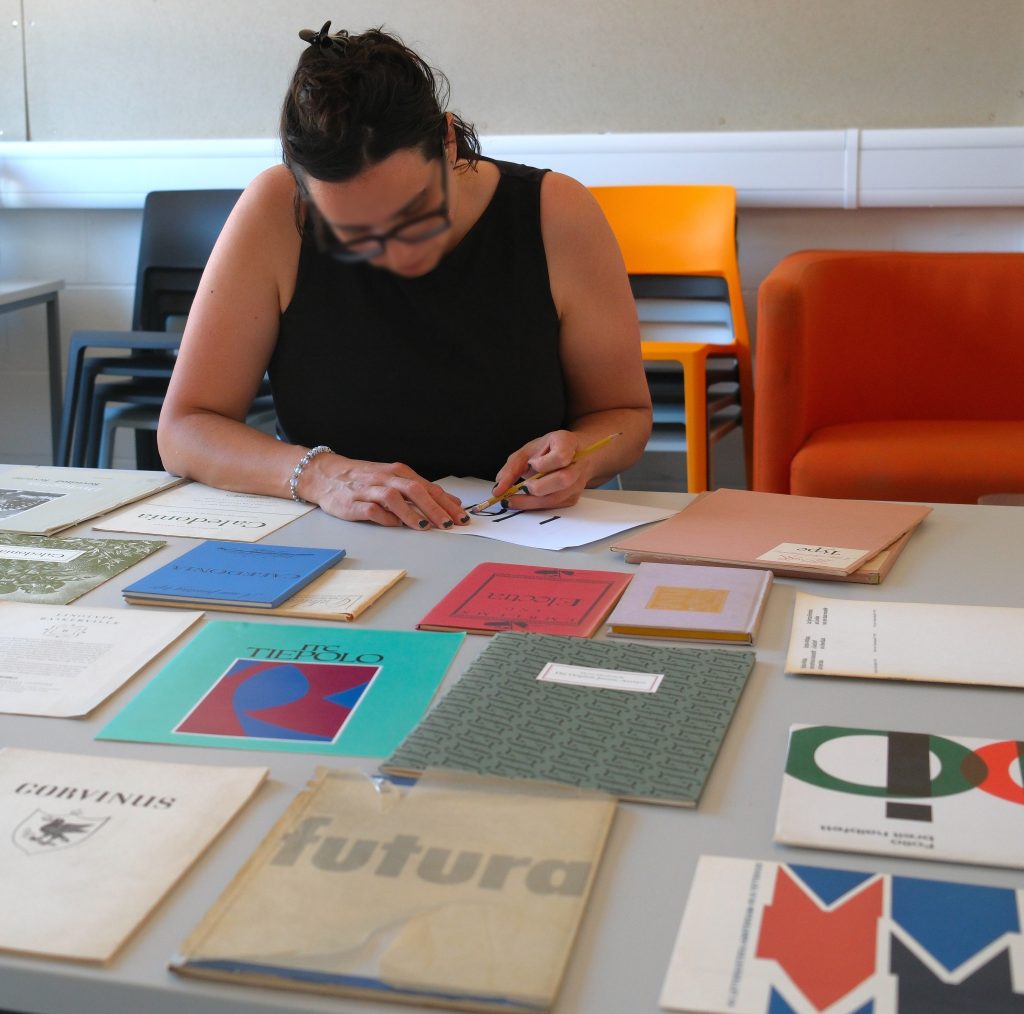
The Department of Typography & Graphic Communication boasts the first typography course within a research-intensive university. From the theory of graphic language to research in visual literacy, and from the history of typesetting technologies to the design of typefaces for global scripts, Reading has been at the forefront of the evolution of typography into a fully-fledged discipline. It pioneered Masters and PhD-level studies in typeface design, and its research and practice outputs have helped define the field of typeface design globally.
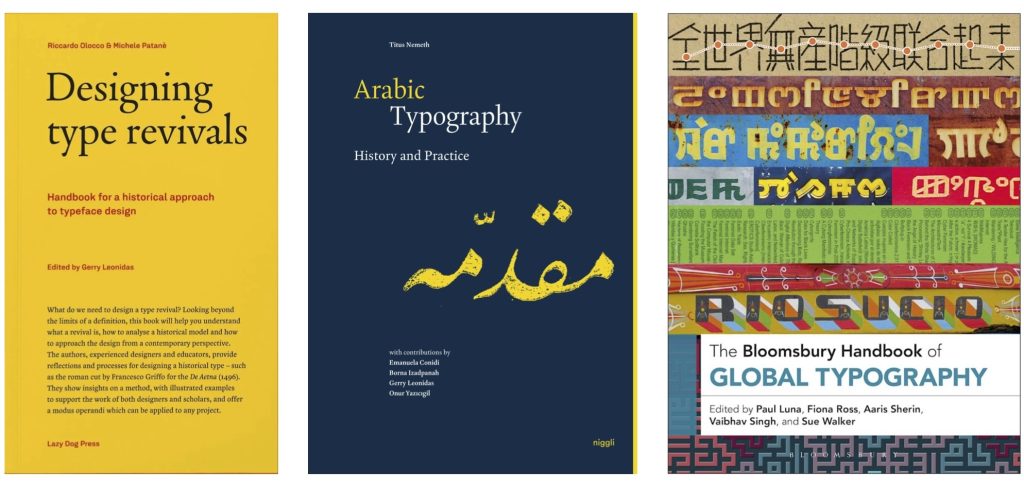
Notable recent projects include TypoArabic (and the main output from that project, Arabic Typography: History and Practice), and Women in Type, while research-informed practical outputs include the Gulzar font and the typefaces for the Murty Classical Library of India. Notable recent books include Designing Type Revivals, and the Bloomsbury Handbook of Global Typography, published in spring of 2026.
The Department is internationally recognised for its exceptional research output, as well as the quality of its teaching. It is the home of Typography Papers, and a wide range of research, knowledge transfer projects, and consultancies with wide-ranging impact across many scripts.
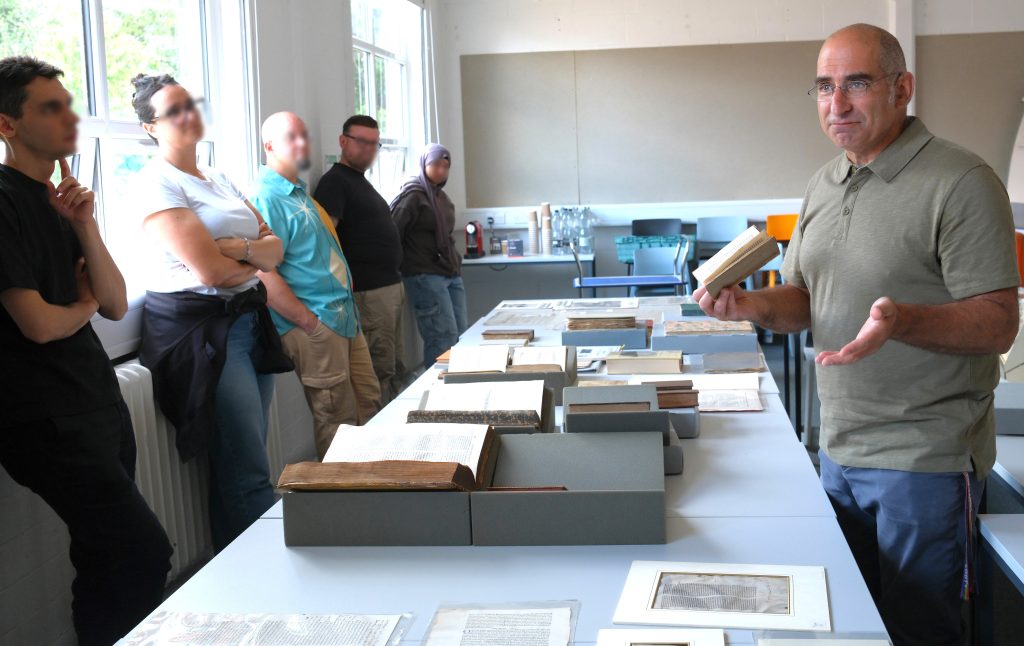
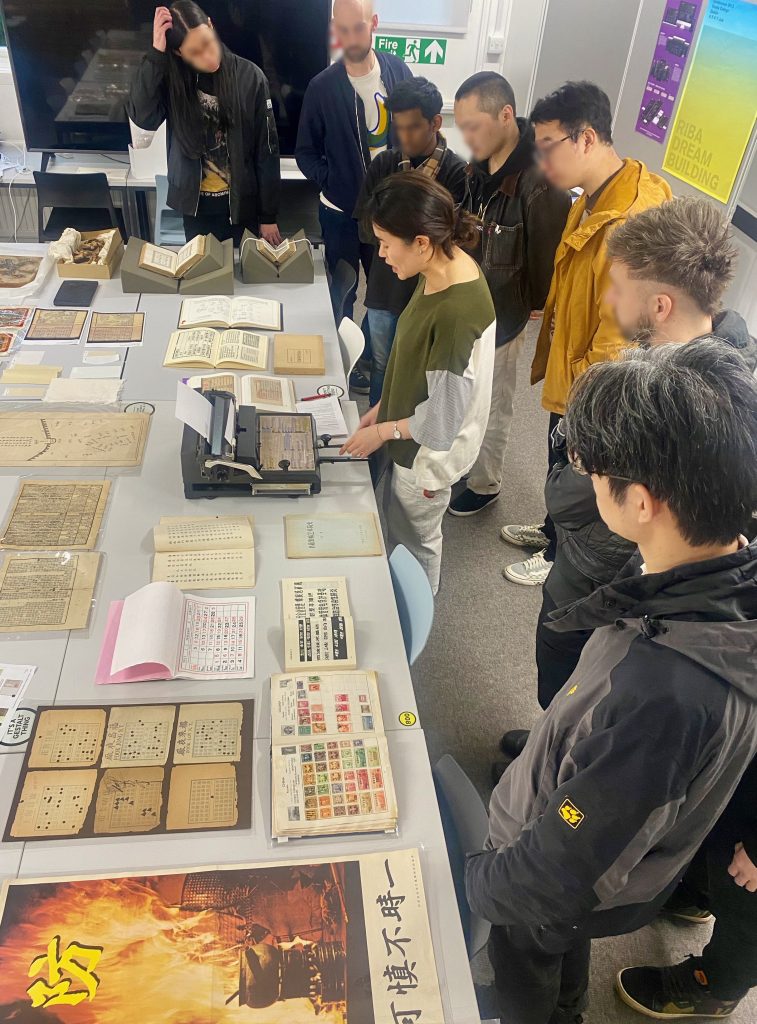
World-class collections and archives support research and enable hands-on learning. The ethos of working with sets of primary sources informs all our teaching, and our sessions with archival material are a highlight for every student and collaborator.
Our space
The Department occupies a modest building at the edge of an award-winning green campus. Our facilities allow us to co-locate teaching and making spaces, a typographic library, our Historic Presses Workshop, and substantial collections and archives. This setup enables a flexible, active learning environment melding studio culture and research institute.
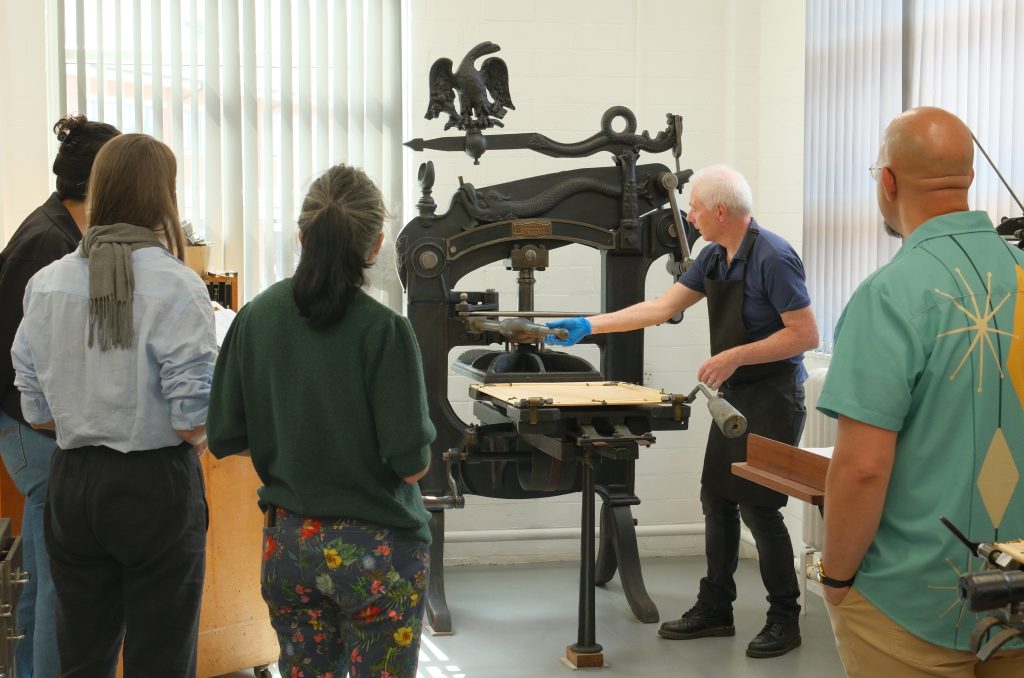
Our Historic Presses Workshop is the only teaching facility able to operate side-by-side wooden and iron letterpresses, wooden and iron lithography presses, intaglio presses, and a Monotype caster.
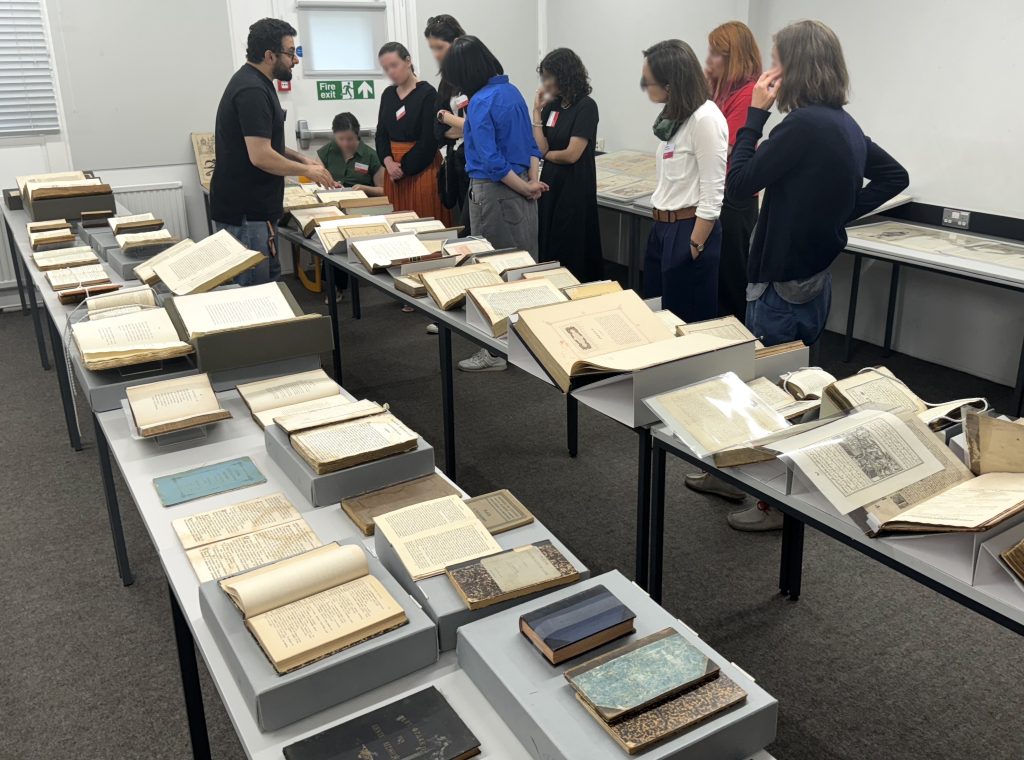
Our Collections and archives span over five centuries of material, and multiple subject areas. We can draw on collections relating to the history and design of letterforms and characters across many scripts beyond Latin, to maps and posters, to the globally leading Isotype collection, to personal archives of notable designers and typographers, to type specimens and typography journals, to typemaking equipment, and many more: we make use of all these in out teaching.
Community
The TDi courses draw on the regular staff of the Department, and our researchers. In 2026 you can expect to meet:
Professor Gerry Leonidas, Dr Borna Izadpanah, Geoff Wyeth (Lecturer and Historic Presses Guru), and Dr Emma Minns, our Archivist, across the weeks. Additionally, Dr Fiona Ross will be contributing in week 1, and Professor Fred Smeijers in week 2.
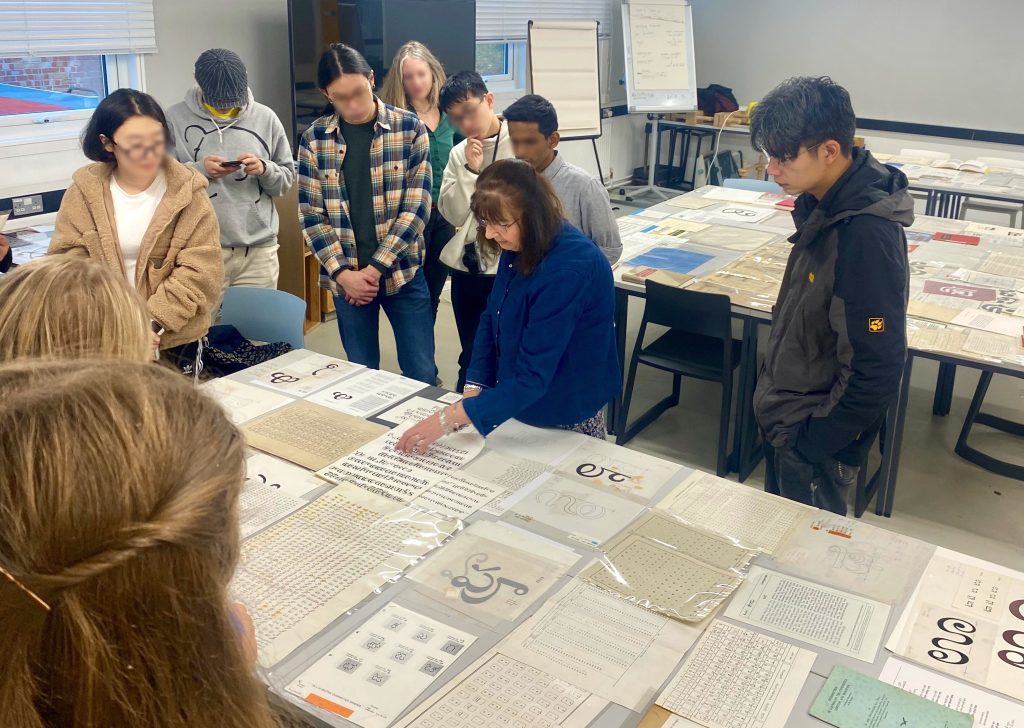
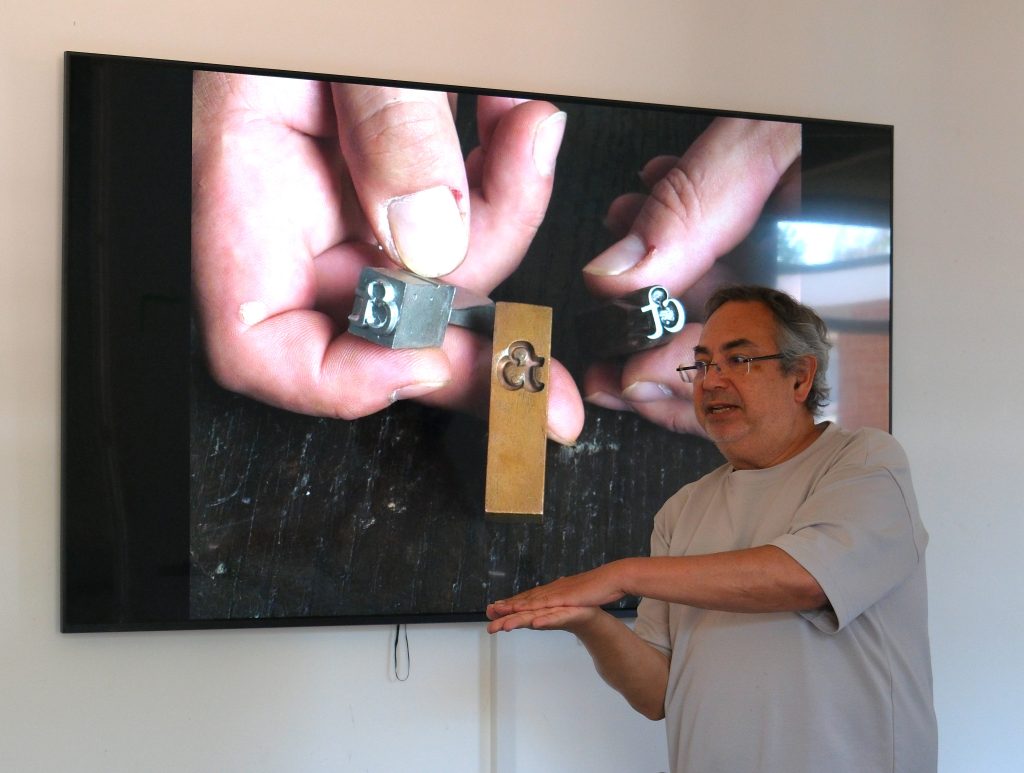
Our post-doc researcher Dr Cheng Xunchang and current researchers are involved throughout the TDi.
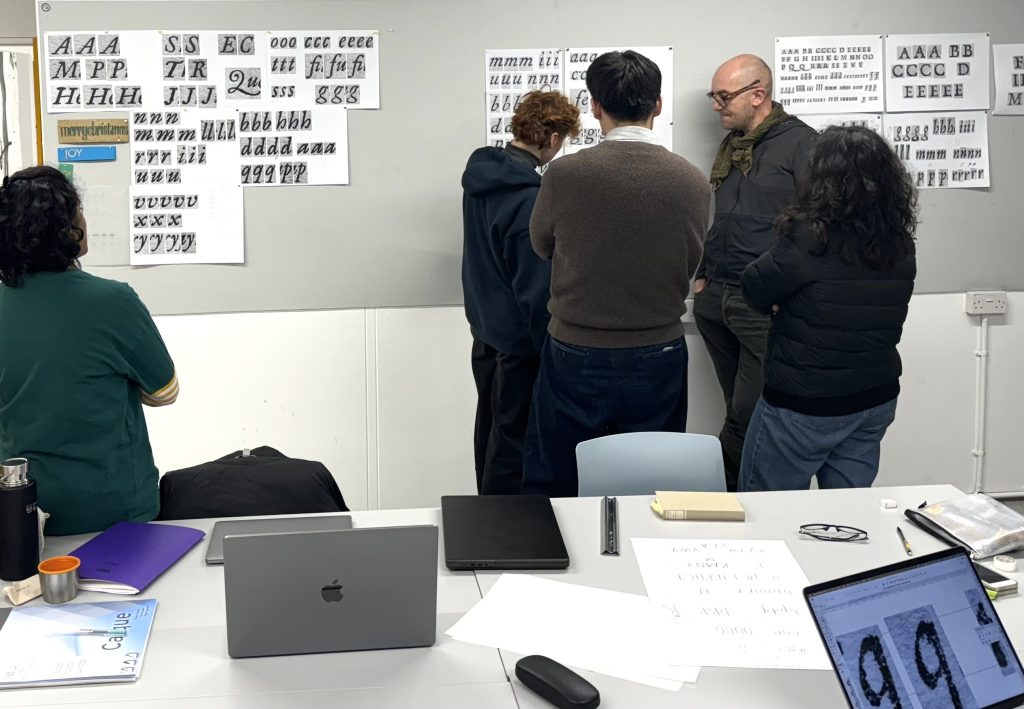
The TDi has been running since 2009 (with a break during the pandemic). Students, researchers, educators, professional designers, and those working in related fields – from font engineering to supporting the market of typefaces – have enrolled, a bit over 170 people so far.